
VHF CHANNEL 65 - CALLSIGN -BOSCASTLE NCI

About NCI Boscastle
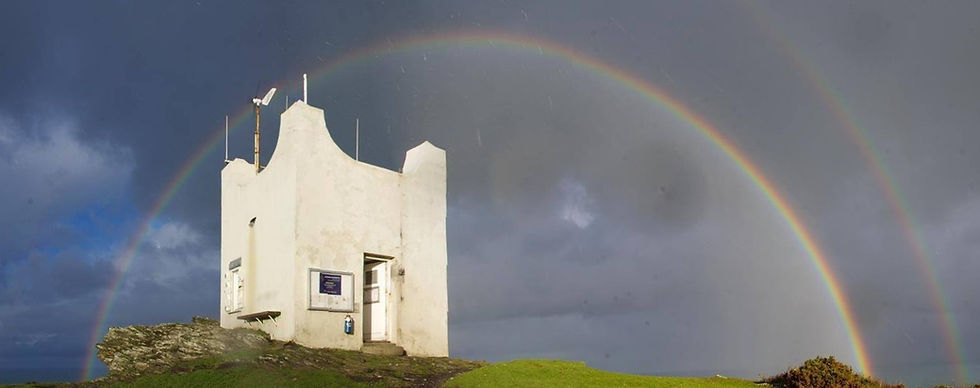
A Legacy of High-Society Partying and Coastguard Duty
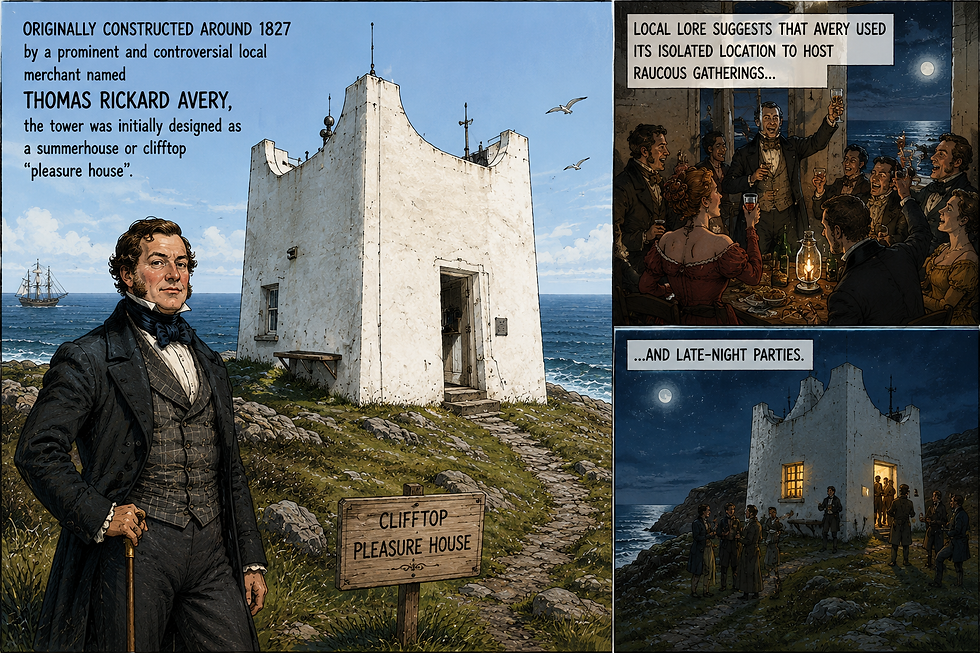
The building’s weathered white exterior belies a colourful history that stretches back nearly two centuries. Originally constructed around 1827 by a prominent and controversial local merchant named Thomas Rickard Avery, the tower was initially designed as a summerhouse or clifftop "pleasure house". Local lore suggests that Avery used its isolated location to host raucous gatherings and late-night parties. Given Avery's lucrative shipping interests and local reputation, gossip quickly spread that the tower was also being used to discreetly store smuggled contraband.


Standing on Ancient Ground
The land upon which the tower rests has its own ancient defensive story. Willapark headland, which translates to "enclosure with a view", was utilized long before the 19th-century folly was built. The promontory is the site of an Iron Age hill fort dating back to roughly 200 BC. Visitors walking the rugged approaches can still spot the ancient earthwork banks that once fortified the neck of the cliffs. Just inland from the cliff edge lie the Forrabury Stitches, a remarkably rare and beautifully intact medieval open-field farming system. This historical land structure consists of long, narrow strips of agricultural land separated by raised grass baulks that have been continuously farmed for centuries. The headland also bears the physical scars of old slate and stone quarrying, highlighting a time when the cliffs themselves fuelled Boscastle’s booming maritime trade.
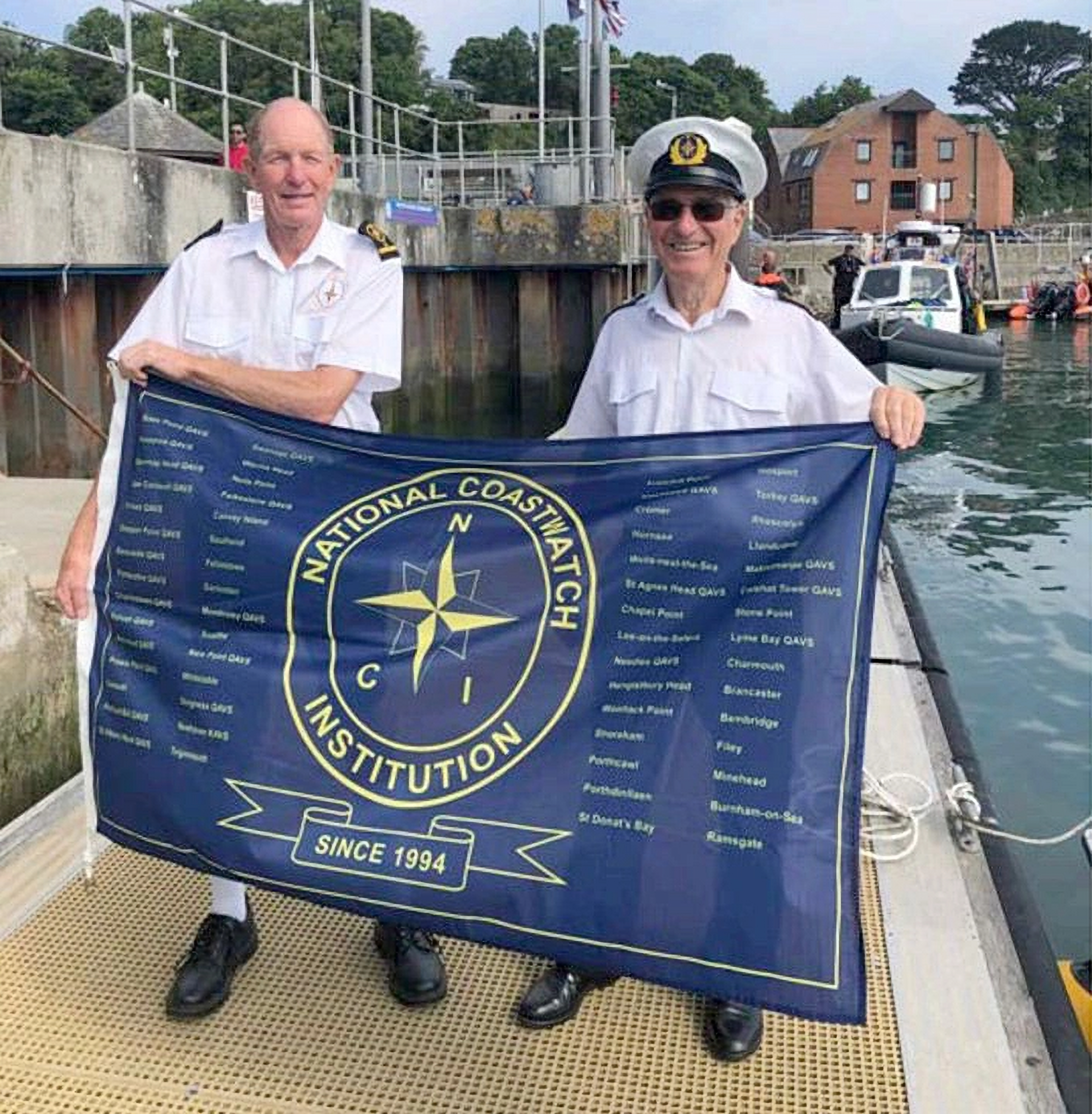
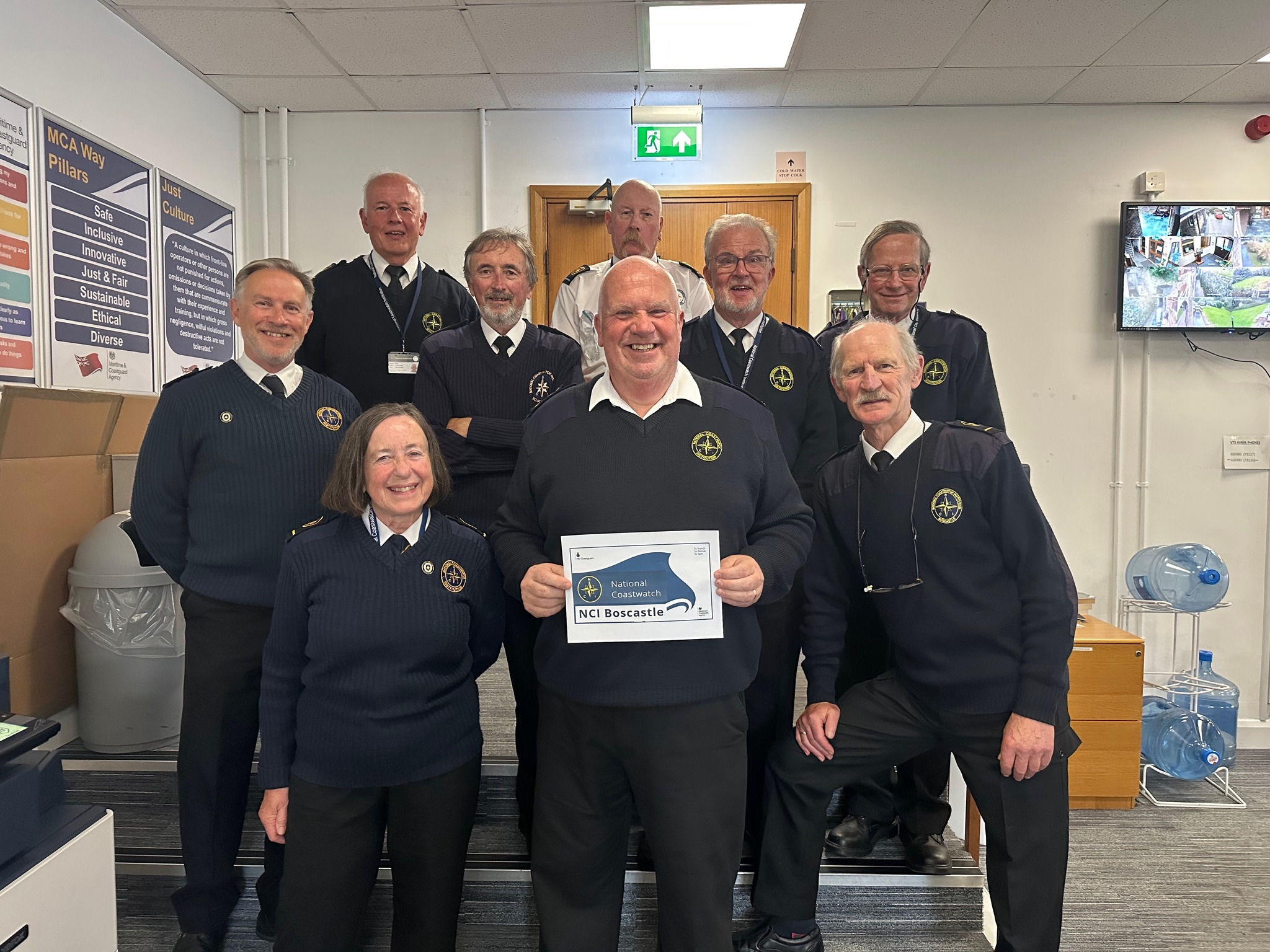
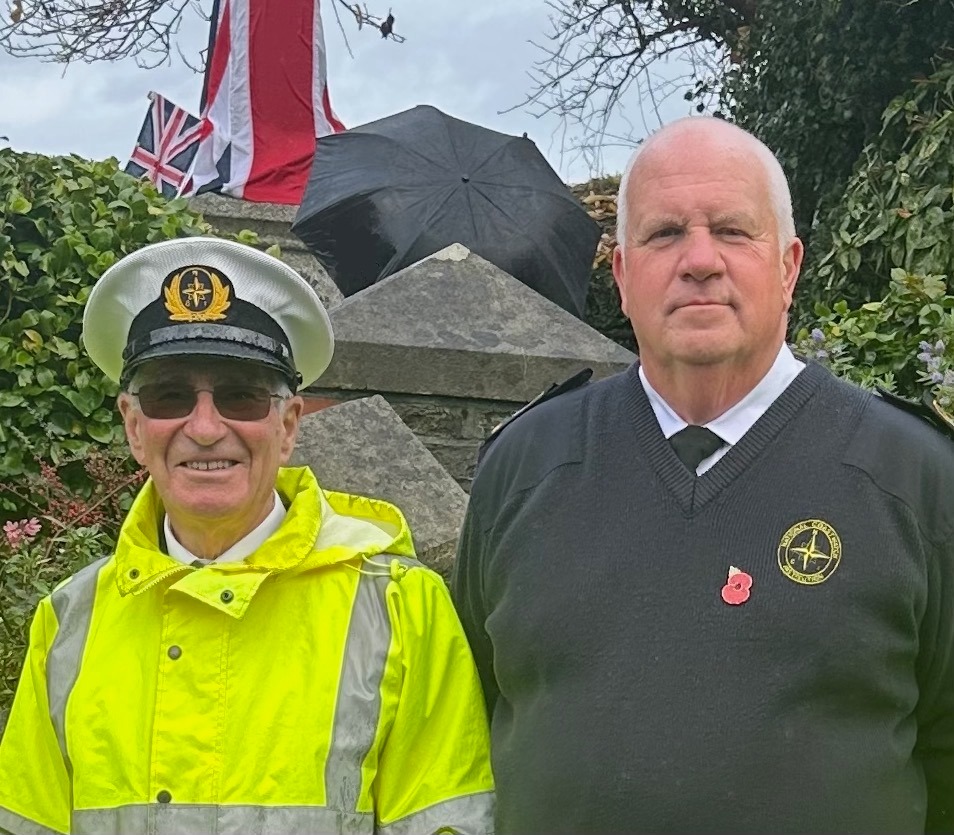
A small selection of pictures from our archives


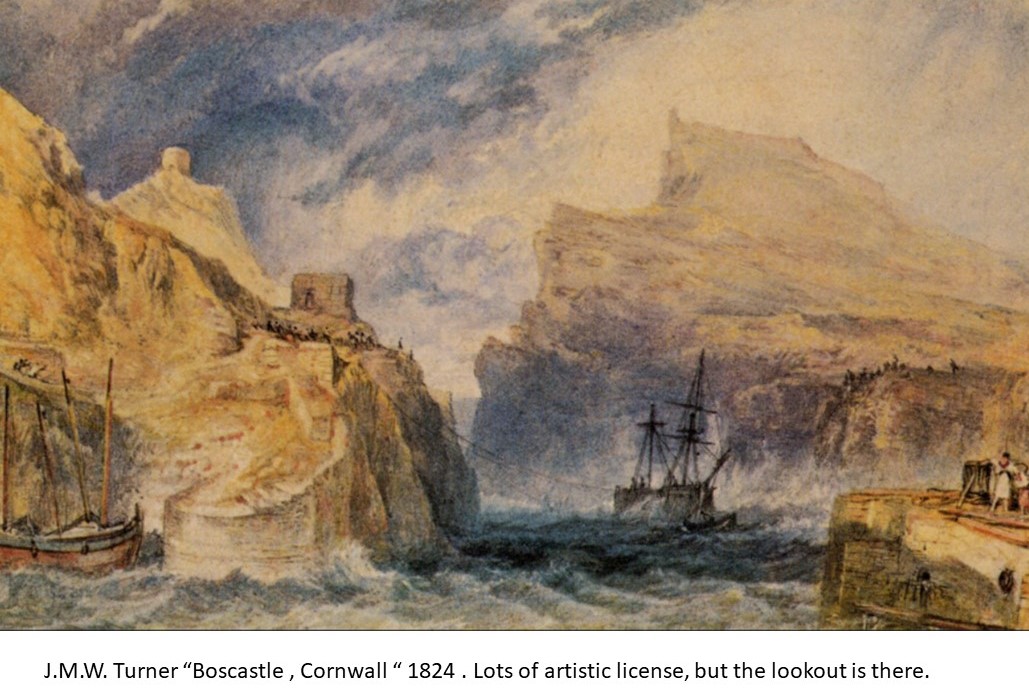
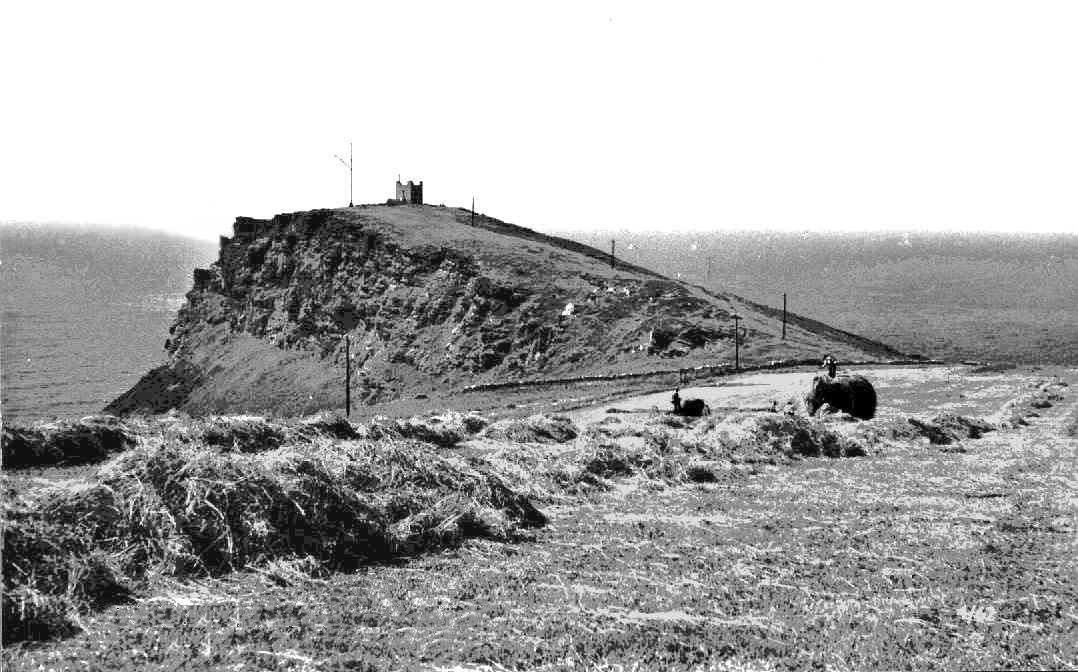
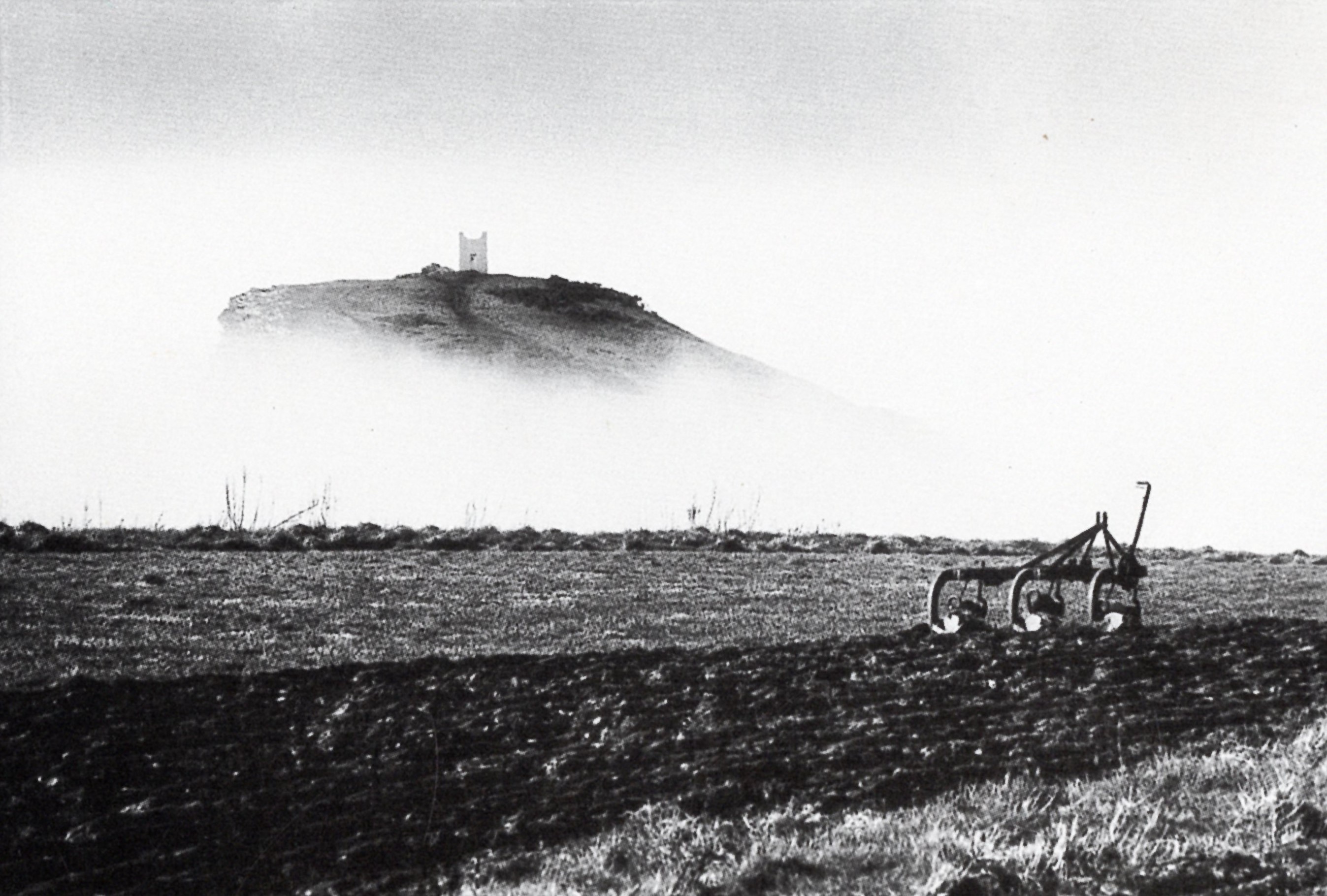
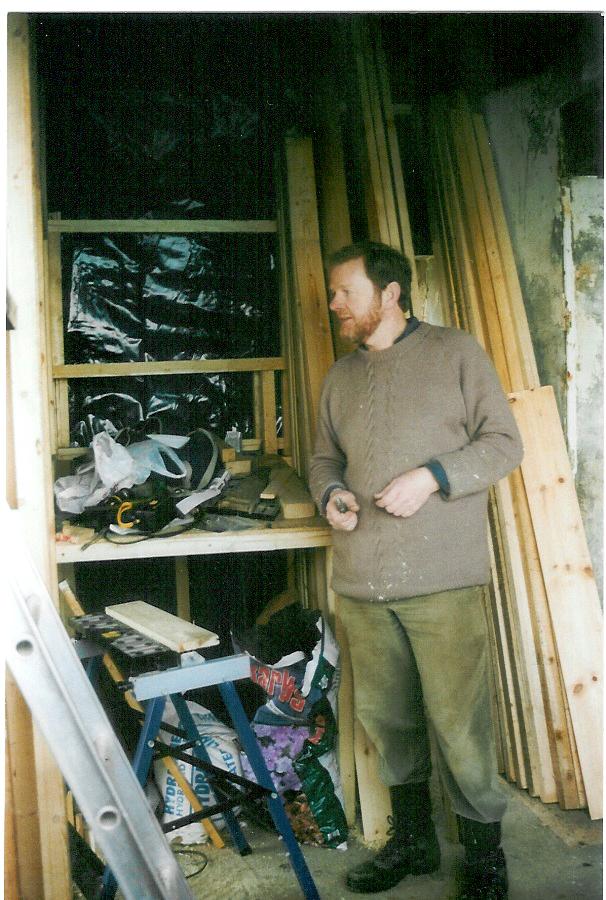
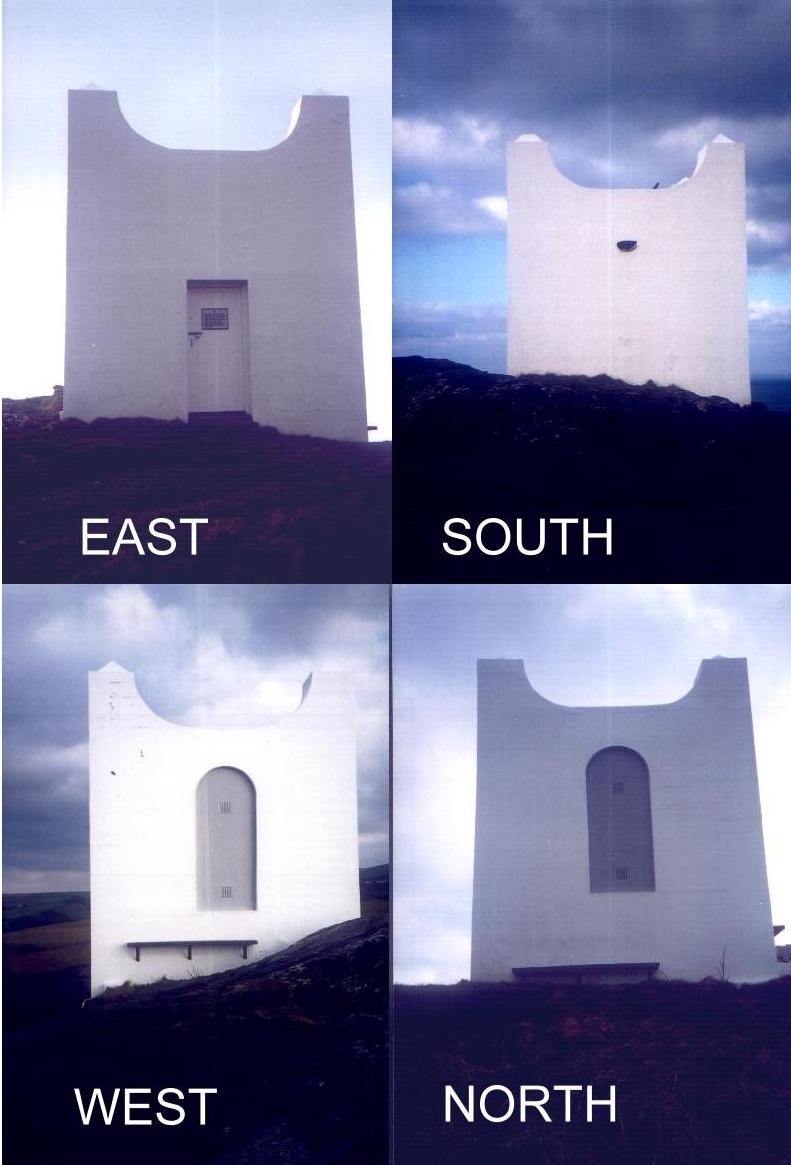
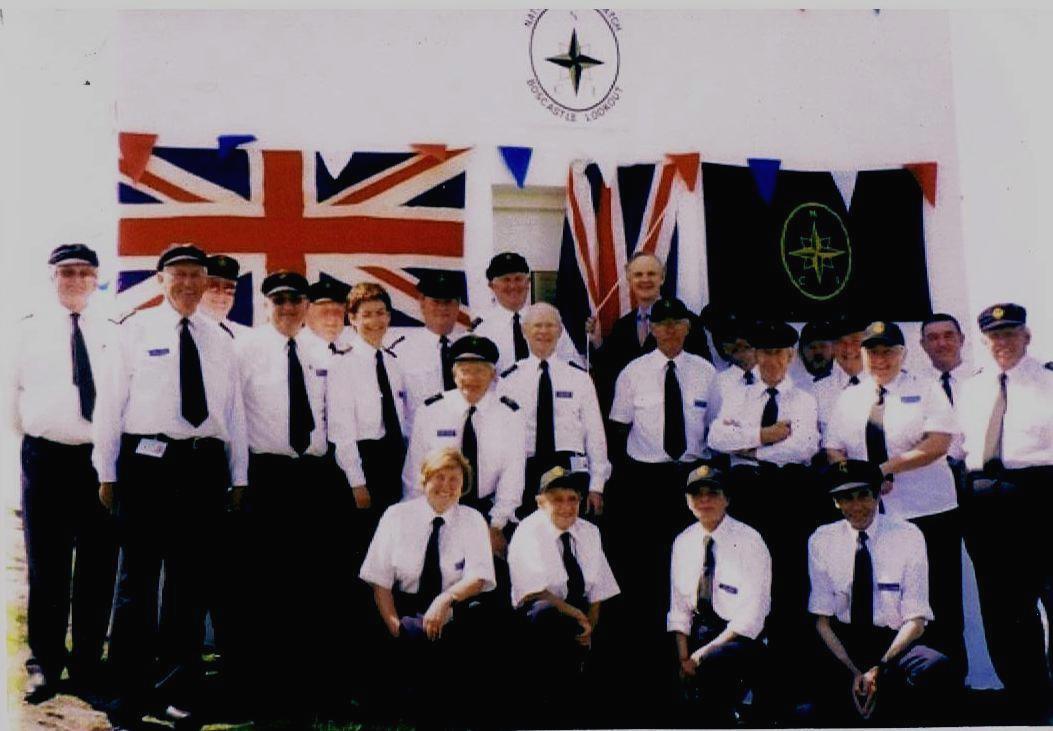
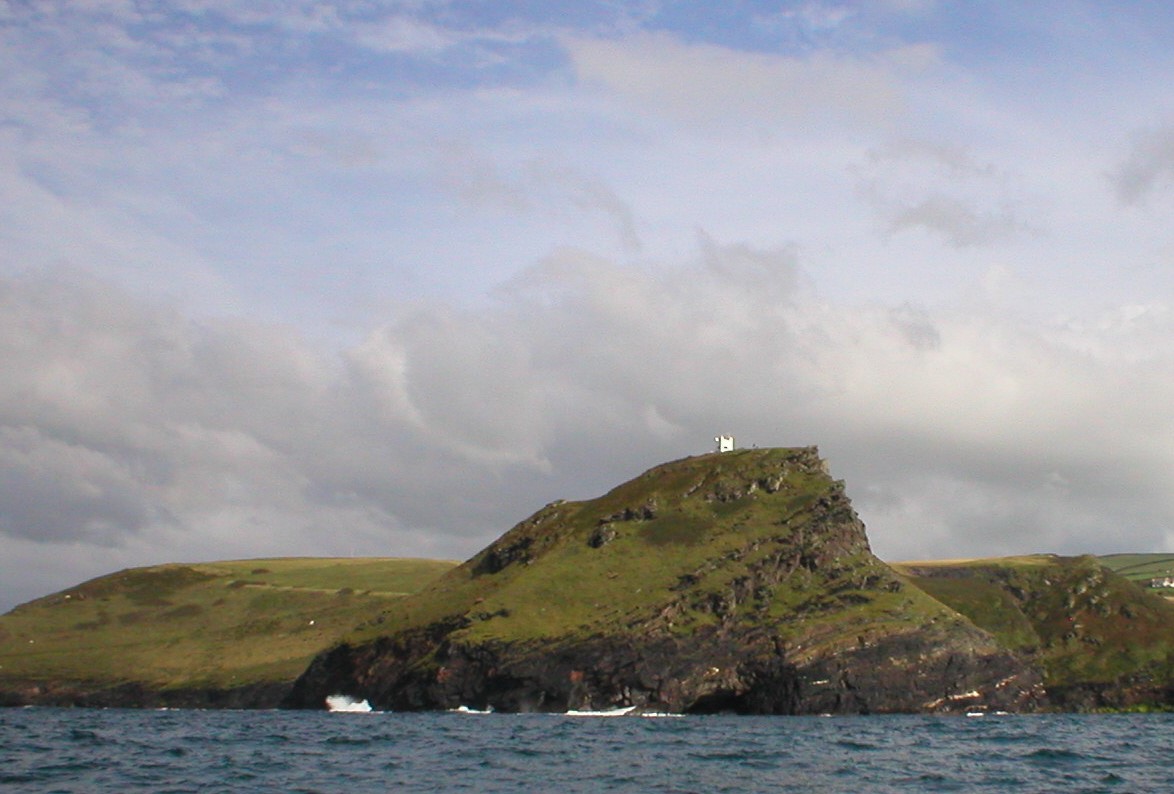
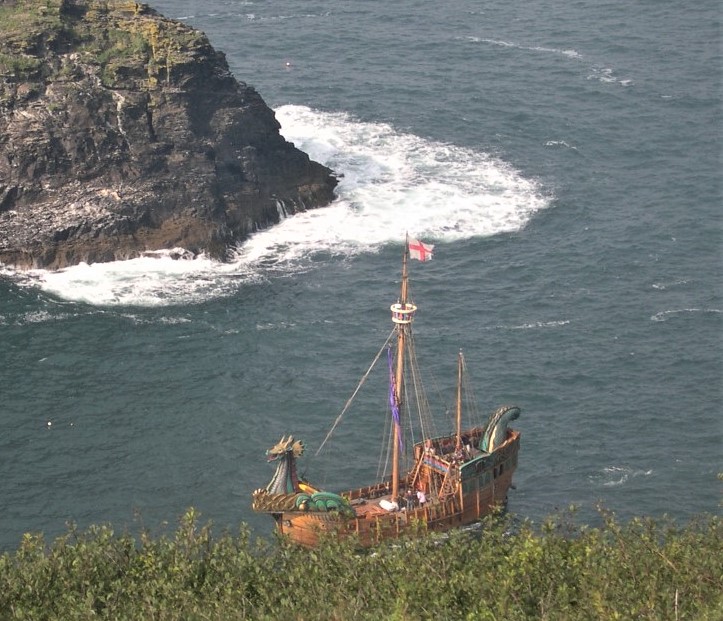
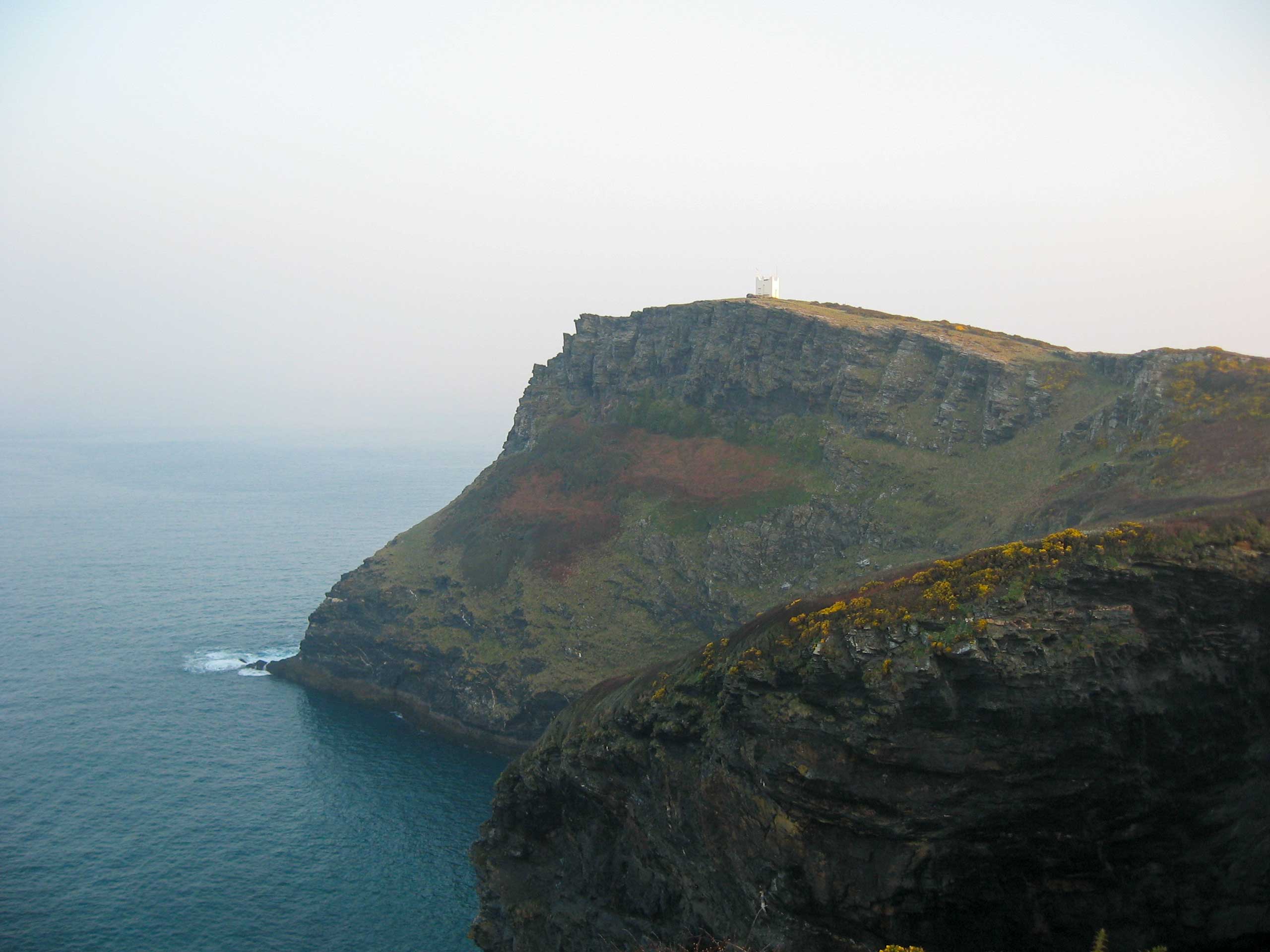
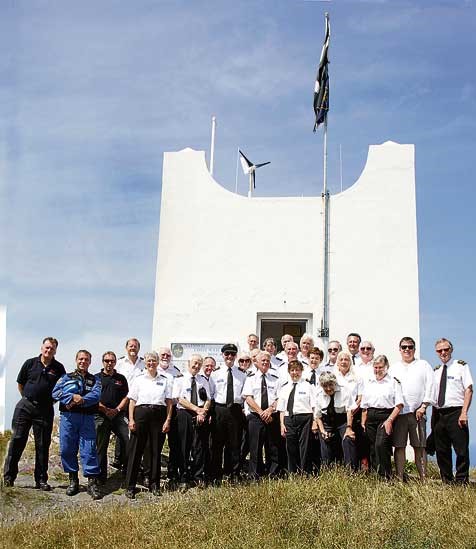
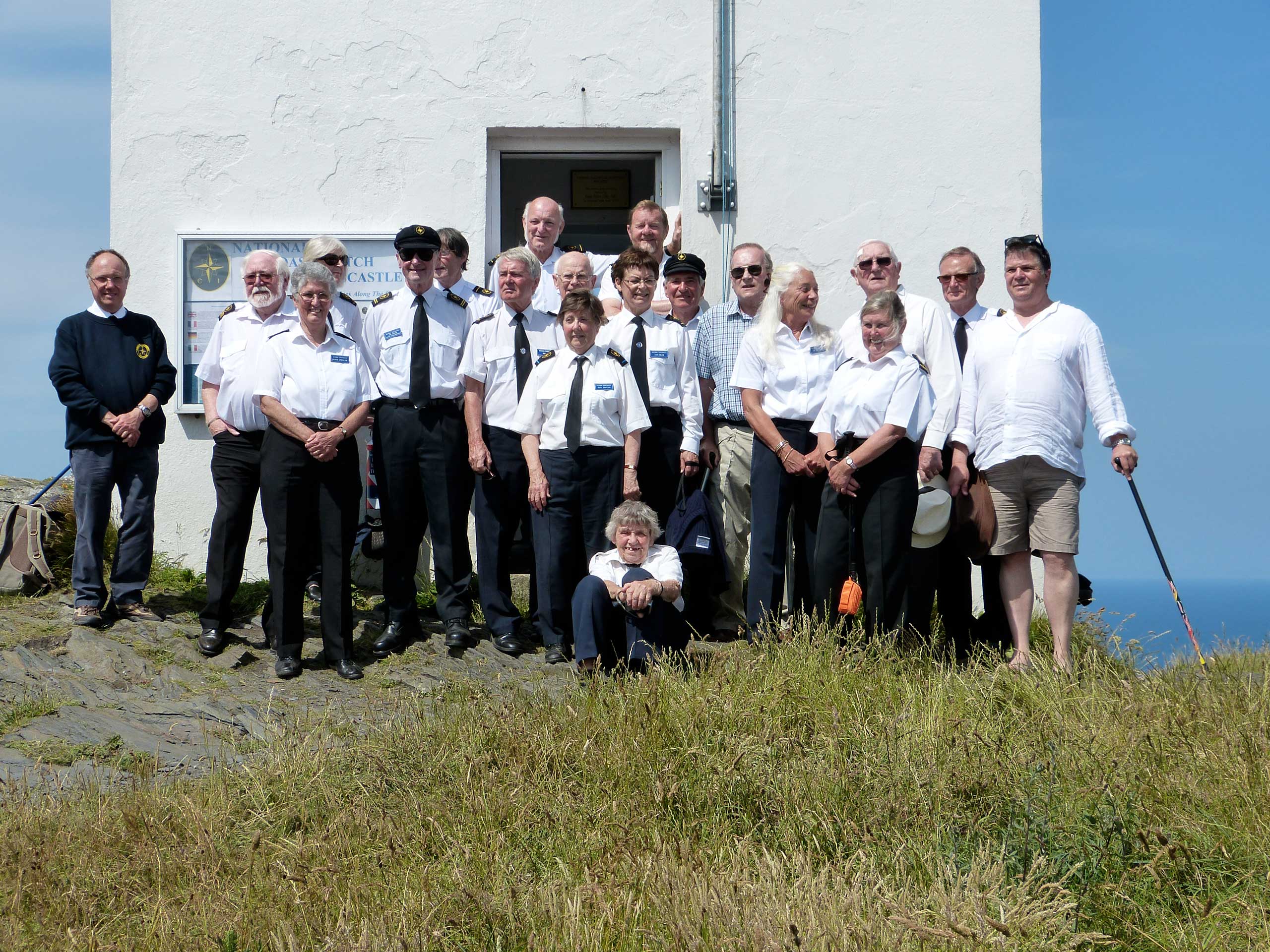
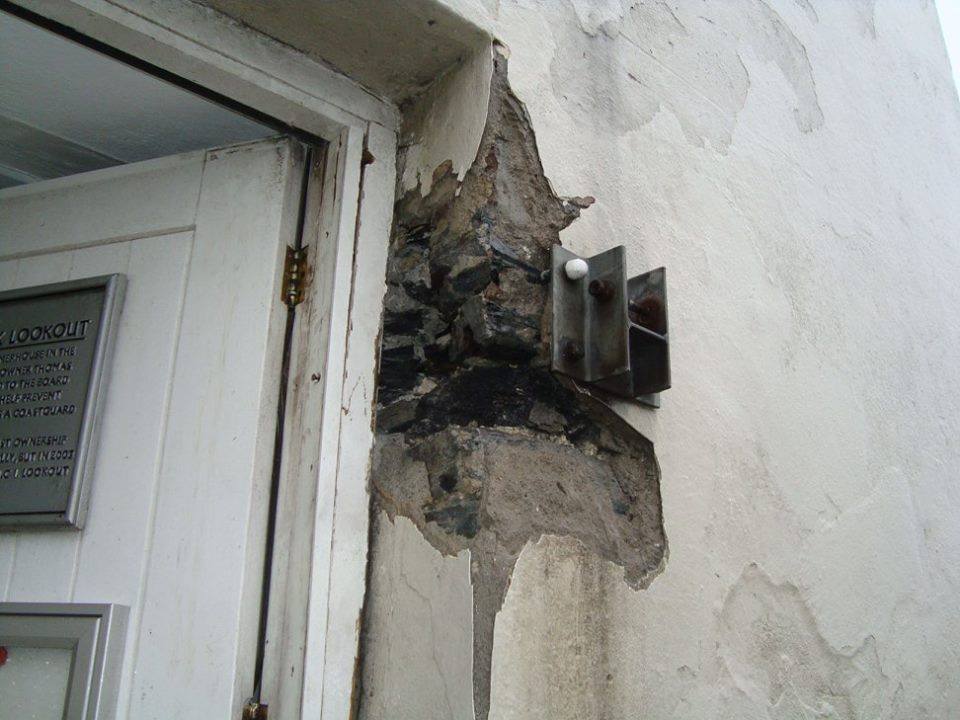
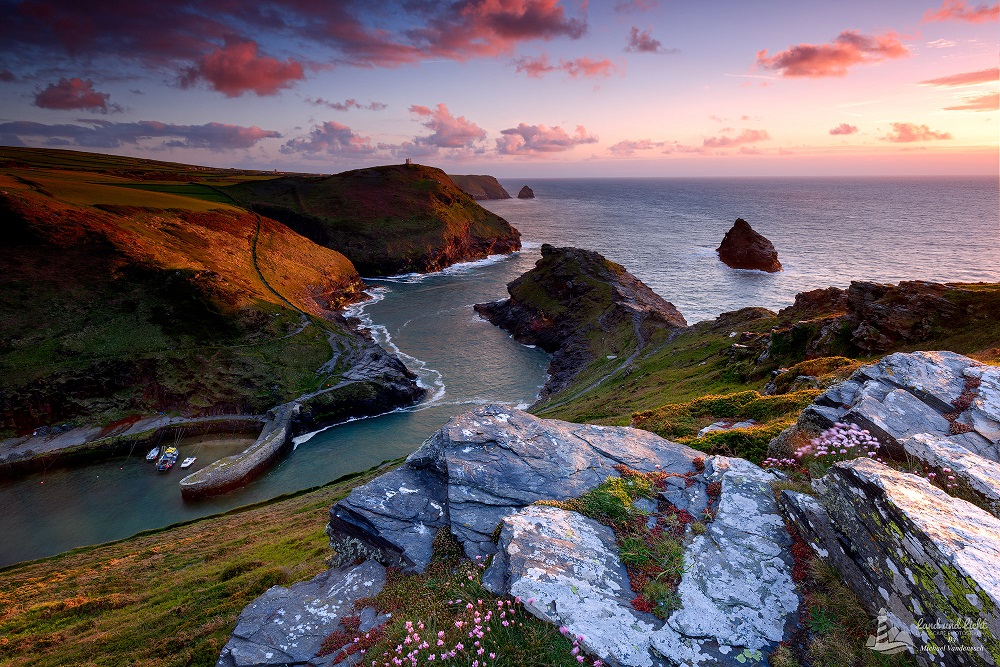
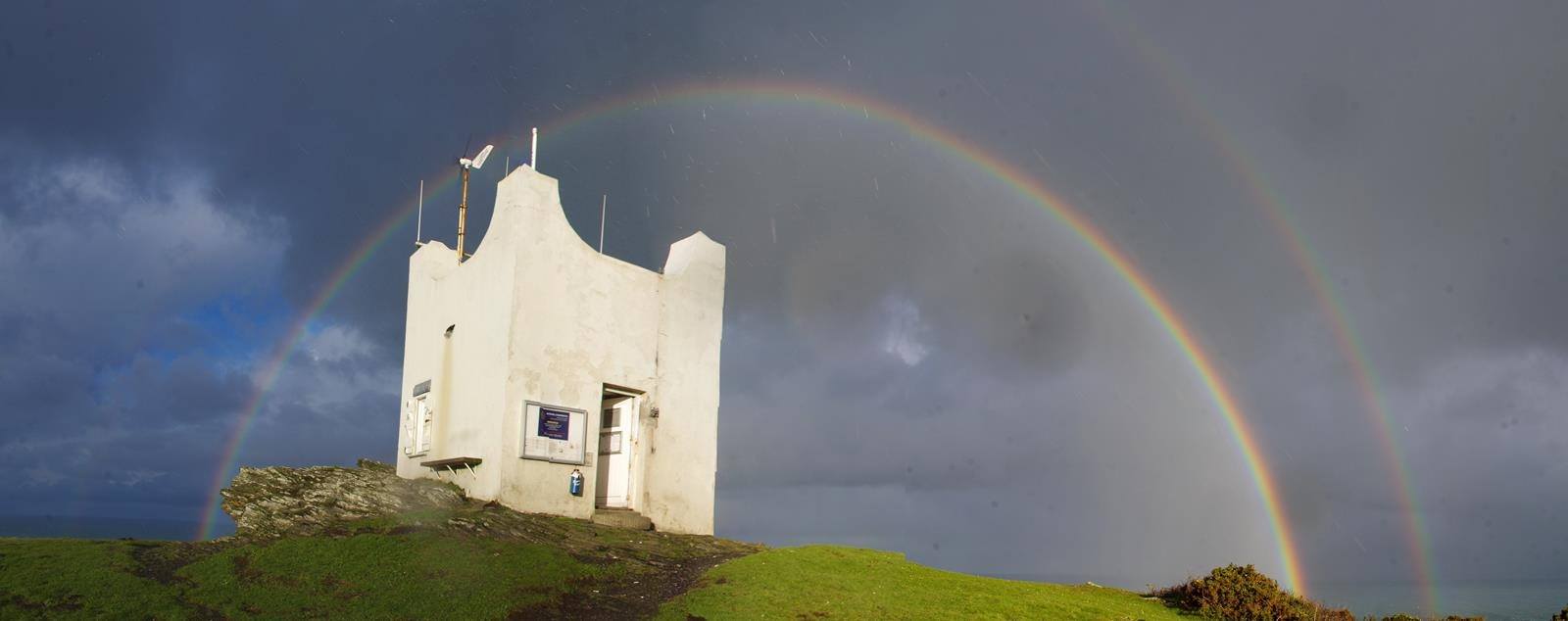
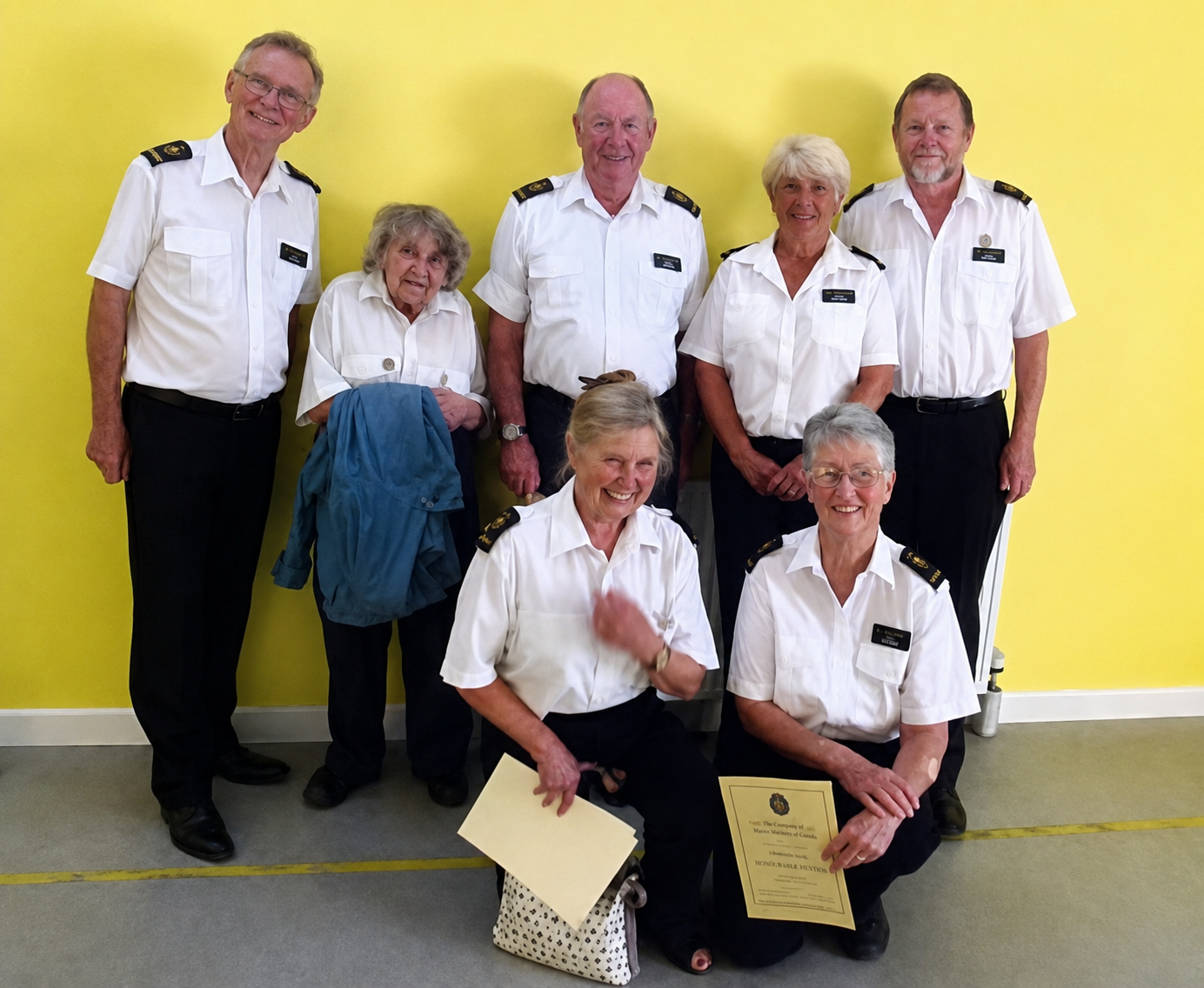
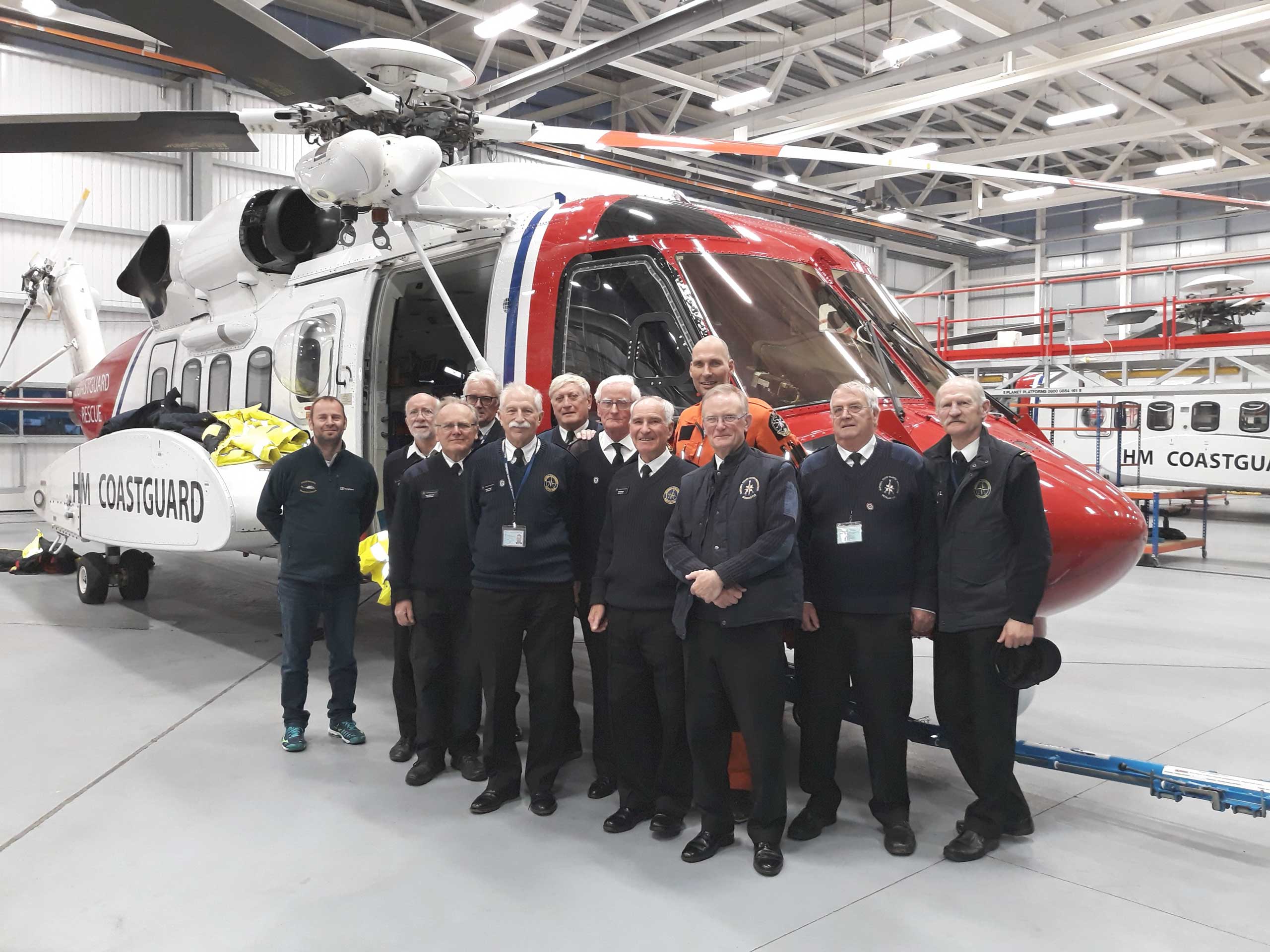
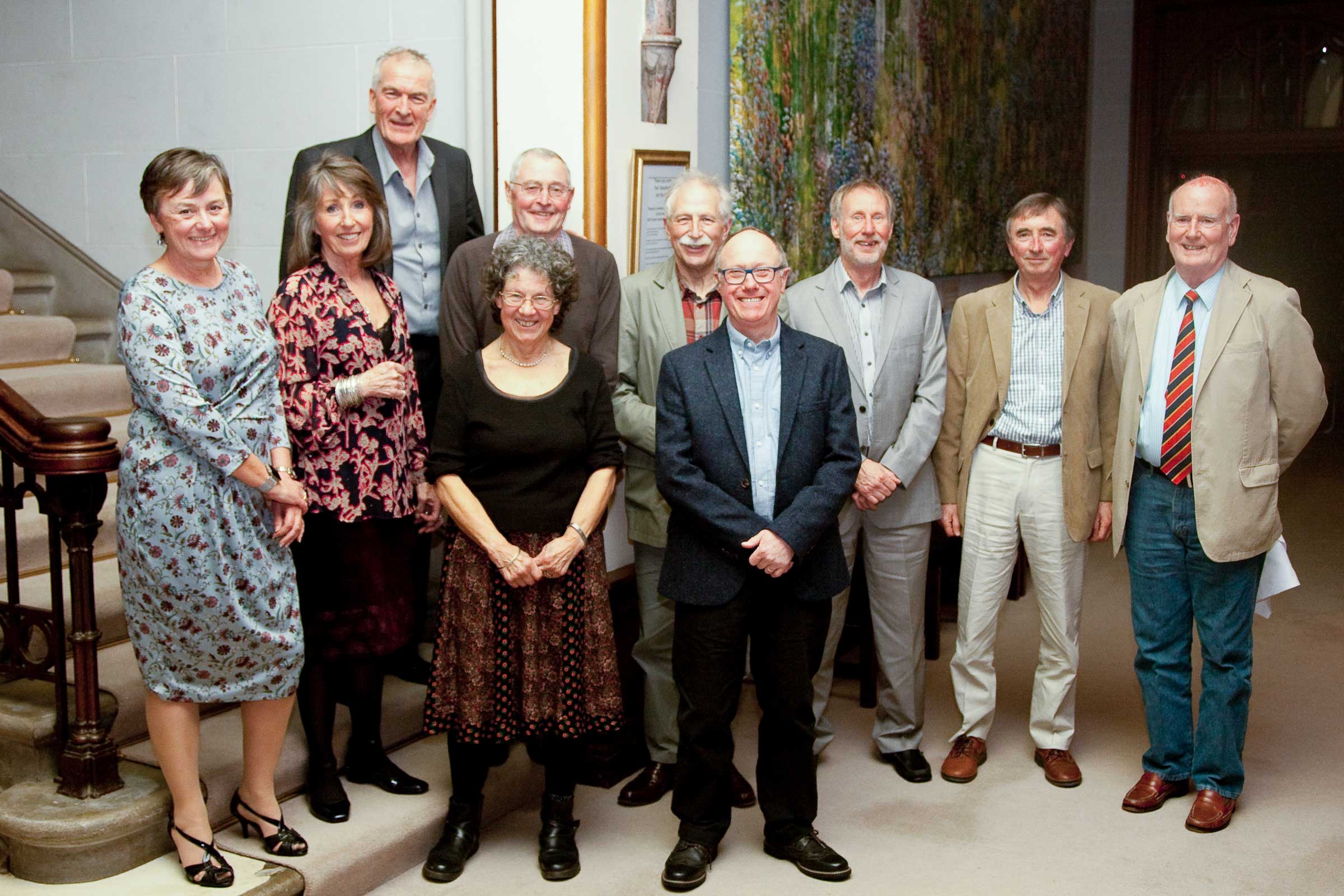
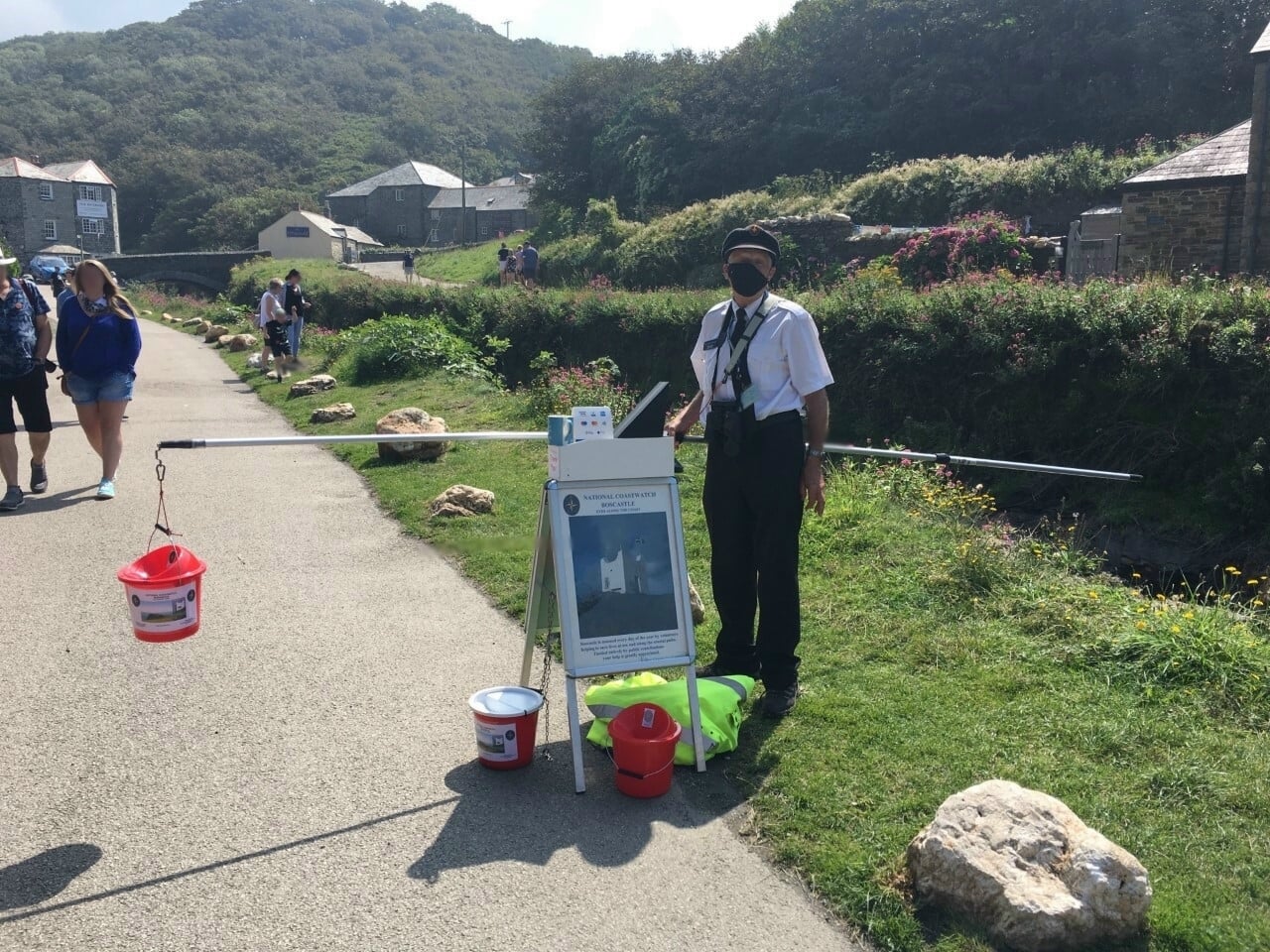
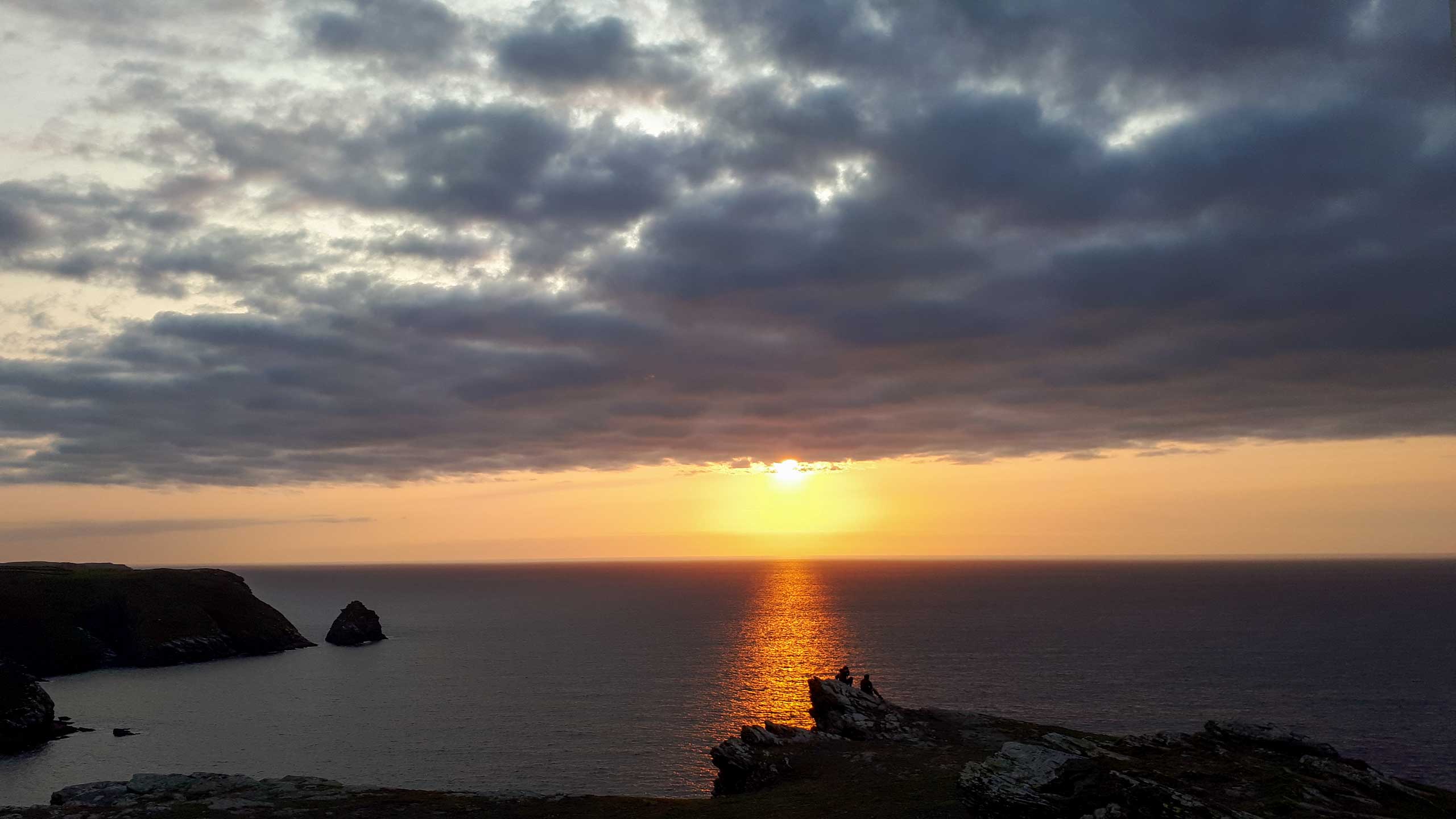
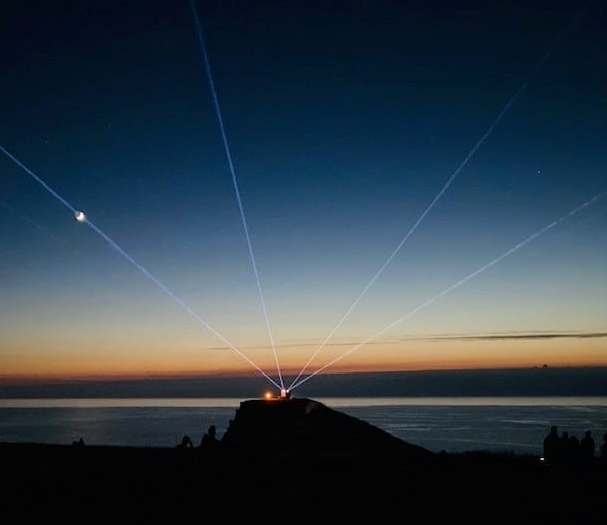
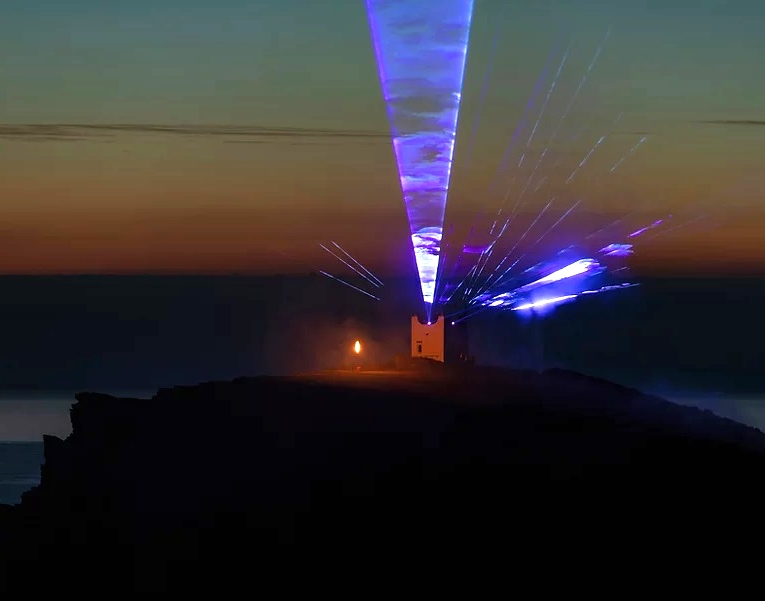
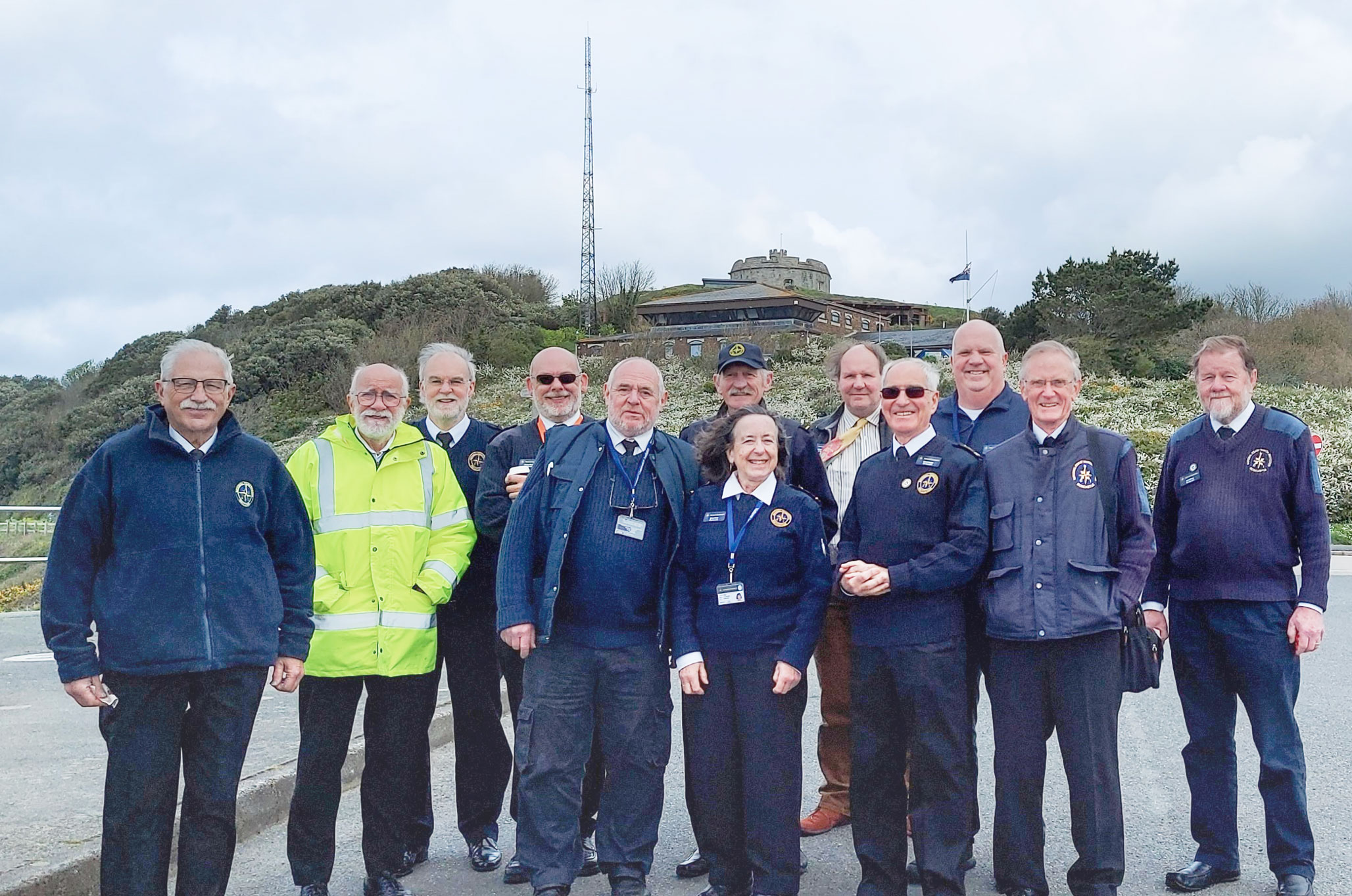
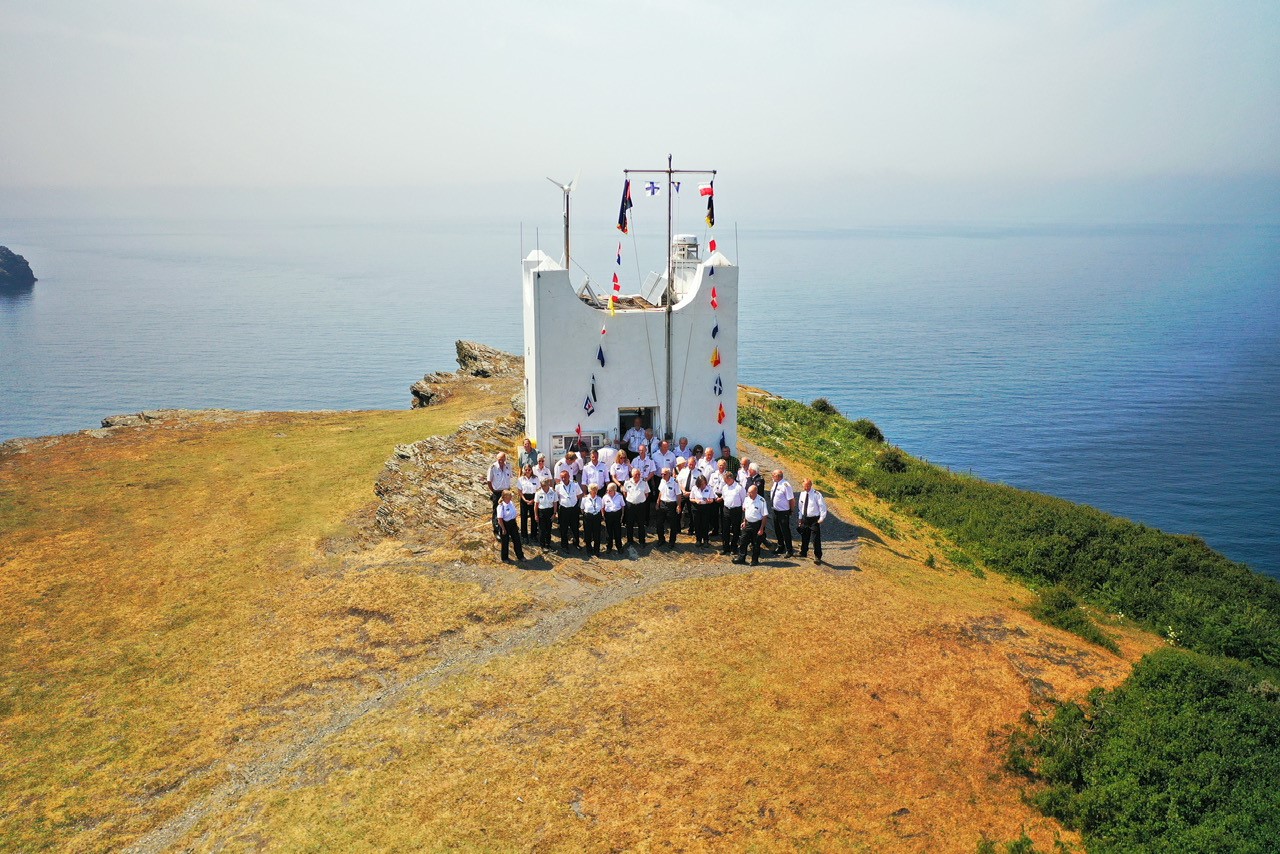
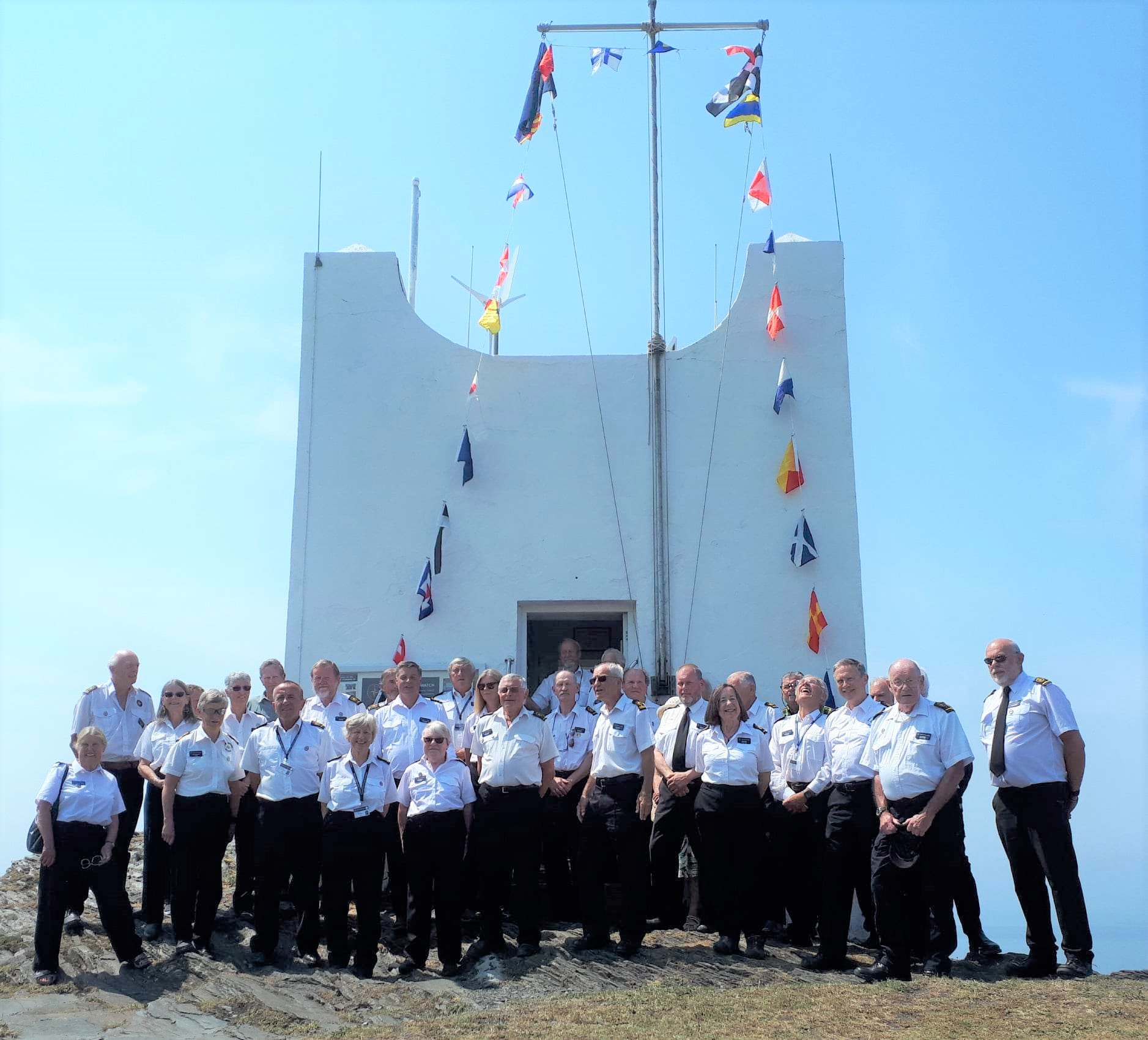
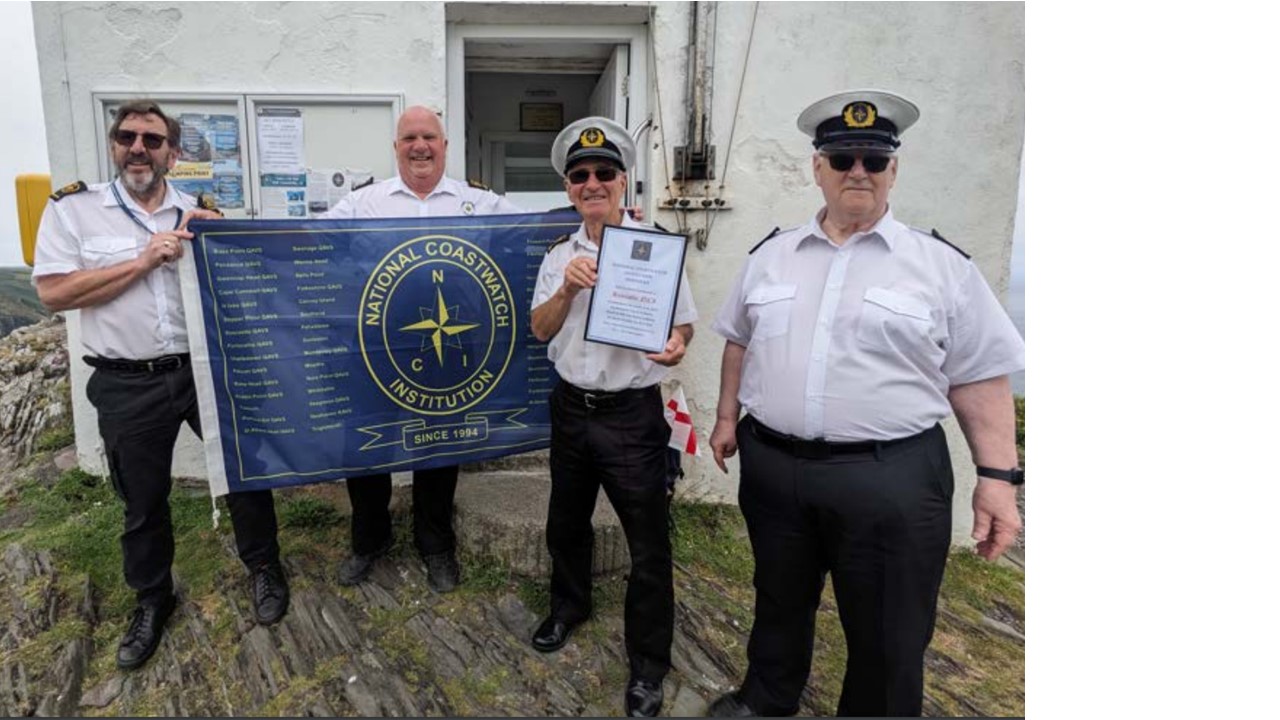
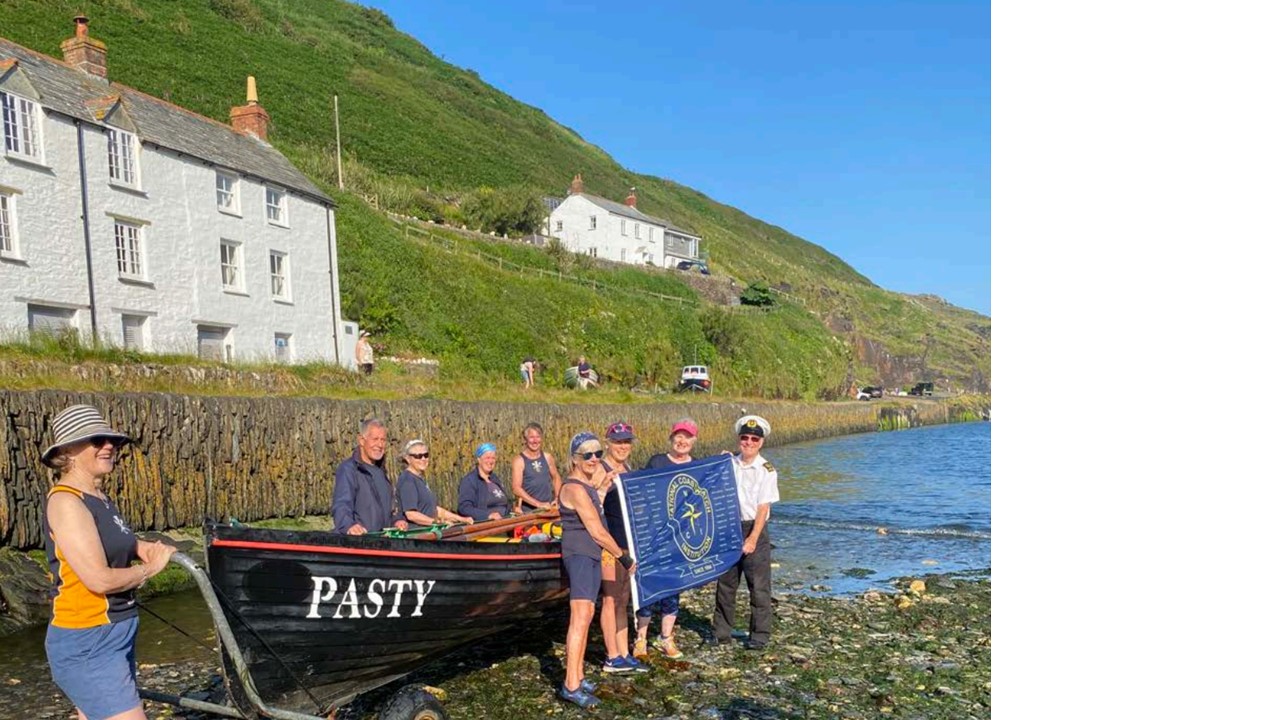
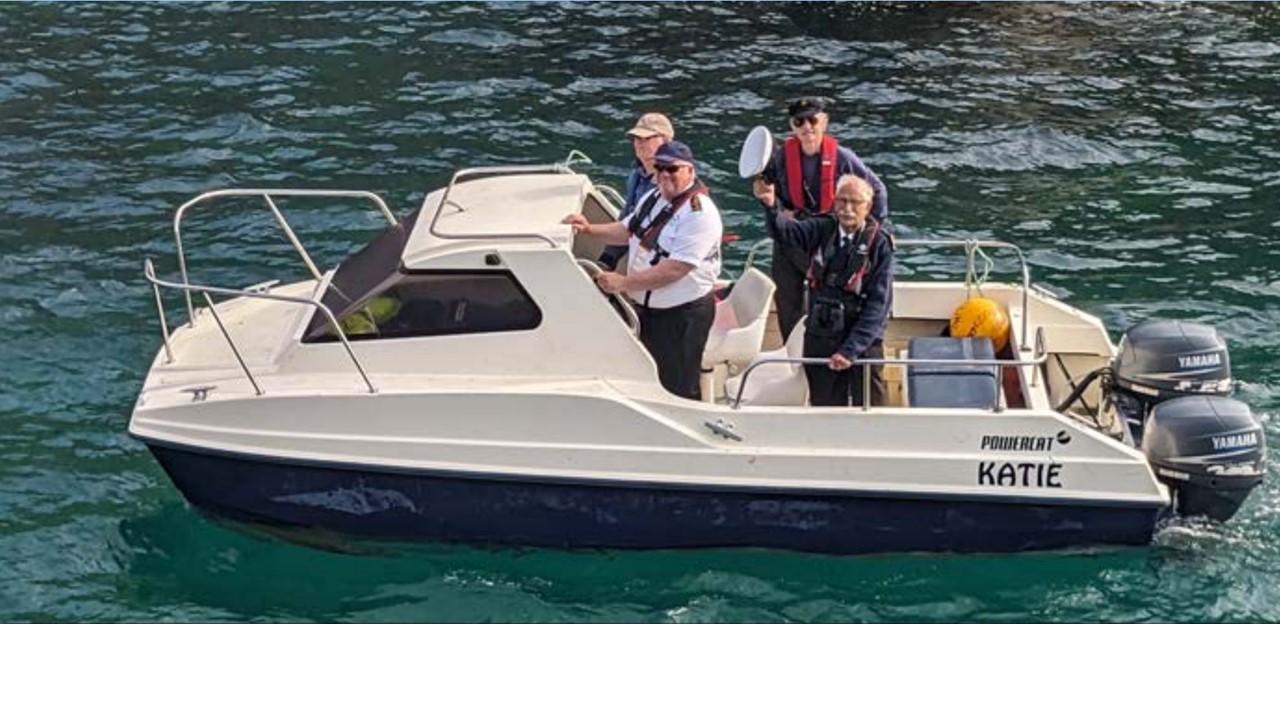
Modern Off-Grid Operations
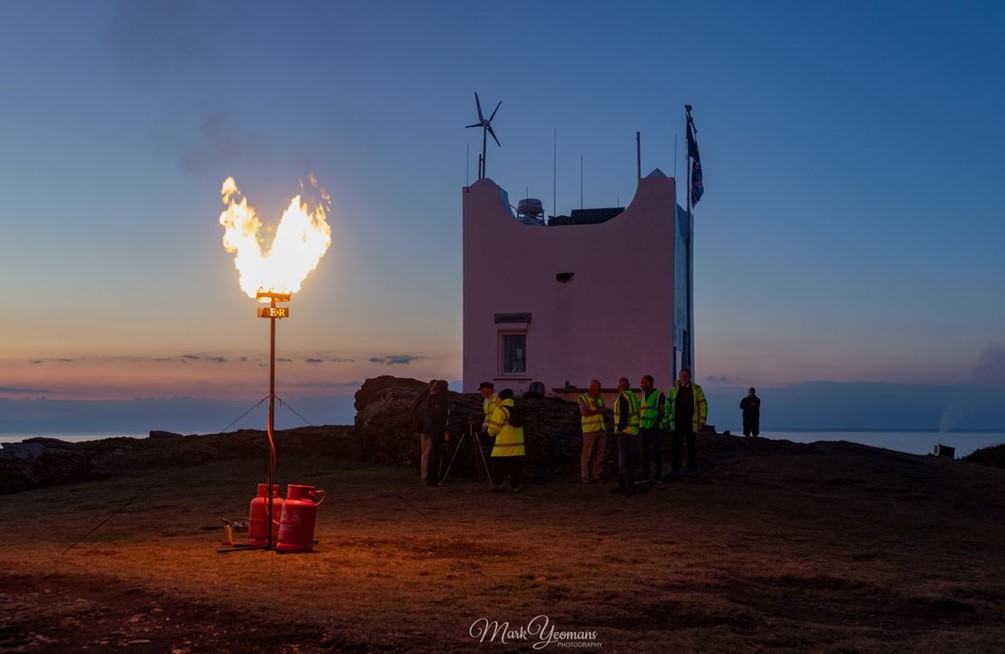
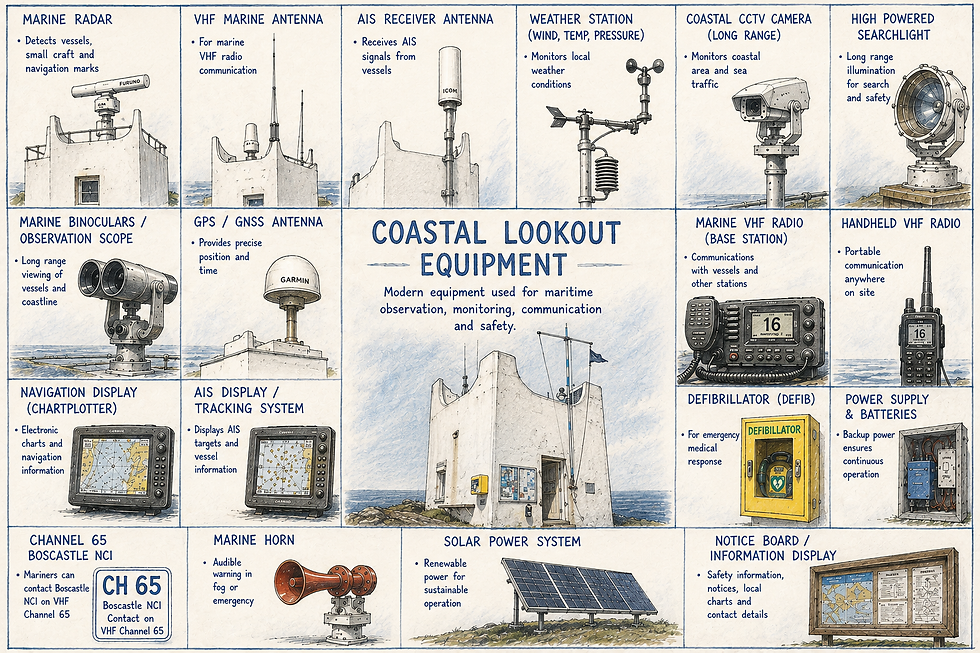
Despite its historical aesthetic, the lookout functions as an advanced, self-sustaining hub. Completely off-grid, the station relies entirely on a modern roof-mounted green energy system featuring solar panels and a high-performance wind turbine. This setup feeds into a robust 12-volt battery bank and inverter system to keep the lookout fully powered through extreme Cornish weather. Inside, the watchkeepers maintain a rigorous visual scan of the sea and coastal paths while utilizing a dedicated VHF marine radio setup. They listen to VHF Channel 16, acting as a direct relay to HM Coastguard in Falmouth when mariners, kayakers, or walkers face immediate danger. Flying the National Coastwatch and Cornish flags from its prominent flagstaff, this tiny historic building remains one of the most effective safety assets on the North Cornwall coast.
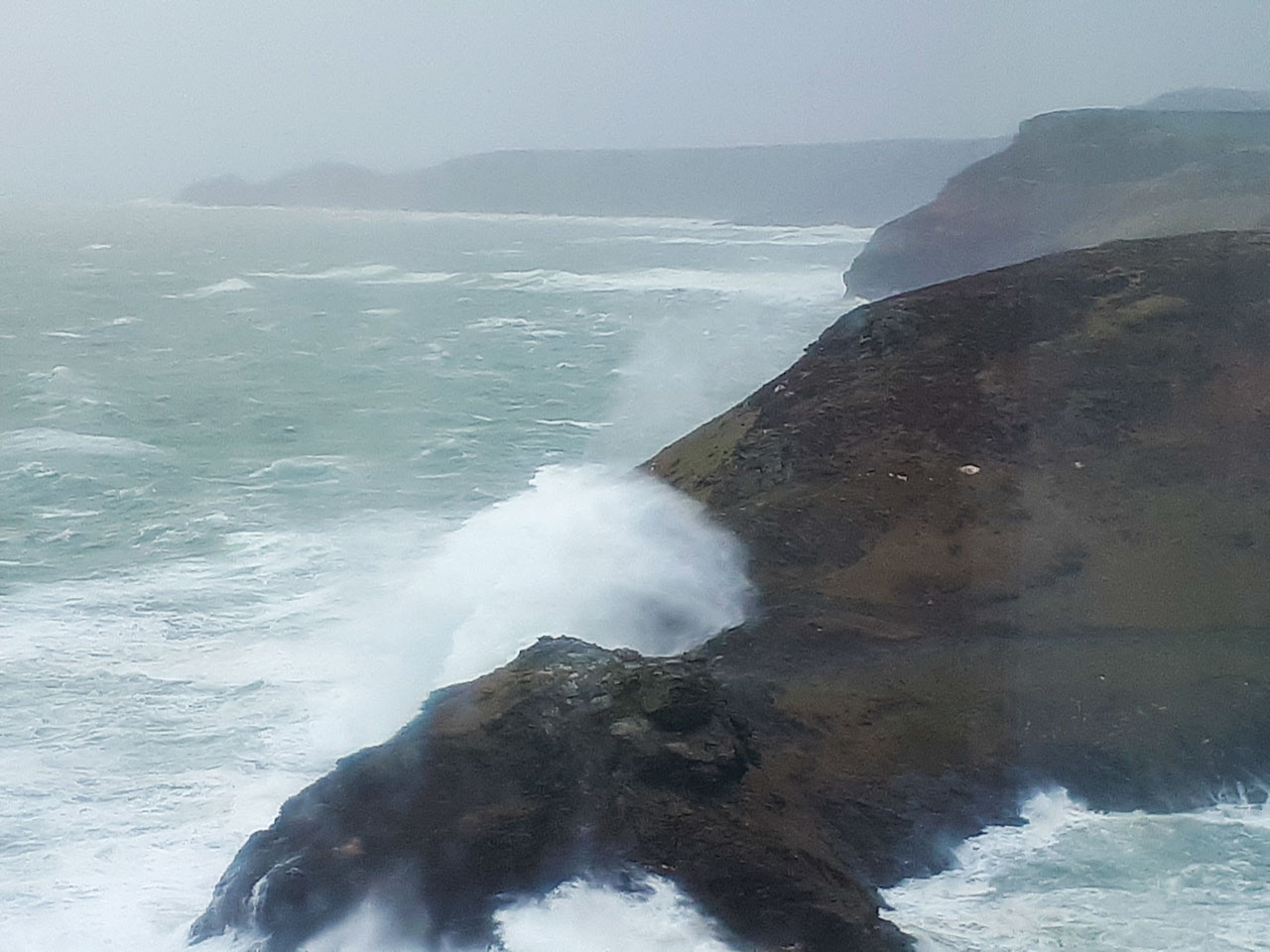
High on the exposed cliffs of North Cornwall, a striking white turret stands as a silent sentinel over hundreds of square miles of the Celtic Sea. The NCI Boscastle lookout, perched 96 metres above the water on the rugged Willapark headland, has long bridged the gap between maritime heritage and critical modern-day search and rescue. Today, this uniquely situated station operates as a volunteer-run rescue lookout.

The authorities eventually caught on, and the building was leased to the Board of Trade to be used as a base for Revenue Men specifically tasked with keeping an eye on the shoreline to stop smuggling. It eventually transitioned into an official Coastguard station. For nearly a century, local coastguards operated from the tower, monitoring the treacherous waters below and saving numerous lives. When the Coastguard service closed the facility in the 1970s, the structure fell into deep disrepair. It was later saved by the National Trust and leased in 2002 to the National Coastwatch Institution (NCI), whose volunteer watchkeepers have maintained a continuous visual safety watch ever since.
Click on image to view without description
About the National Coastwatch Institution
Currently 60 National Coastwatch stations are operational and staffed by over 2800 active volunteers keeping watch around the British Isles from Fleetwood in the North West, through Wales, to the South and East of England to Filey in North Yorkshire.
National Coastwatch watchkeepers provide the eyes and ears along the coast, monitoring radio channels and providing a listening watch in poor visibility. They are trained to deal with emergencies offering a variety of skills and experience, and full training by the National Coastwatch ensures that high standards are met.


